Flowers mean different things in different cultural and religious contexts. This is a general, respectful overview — not an exhaustive guide — intended to help when choosing flowers for someone from a specific background. When a specific occasion matters, it's always worth asking directly rather than assuming.
Hindu traditions
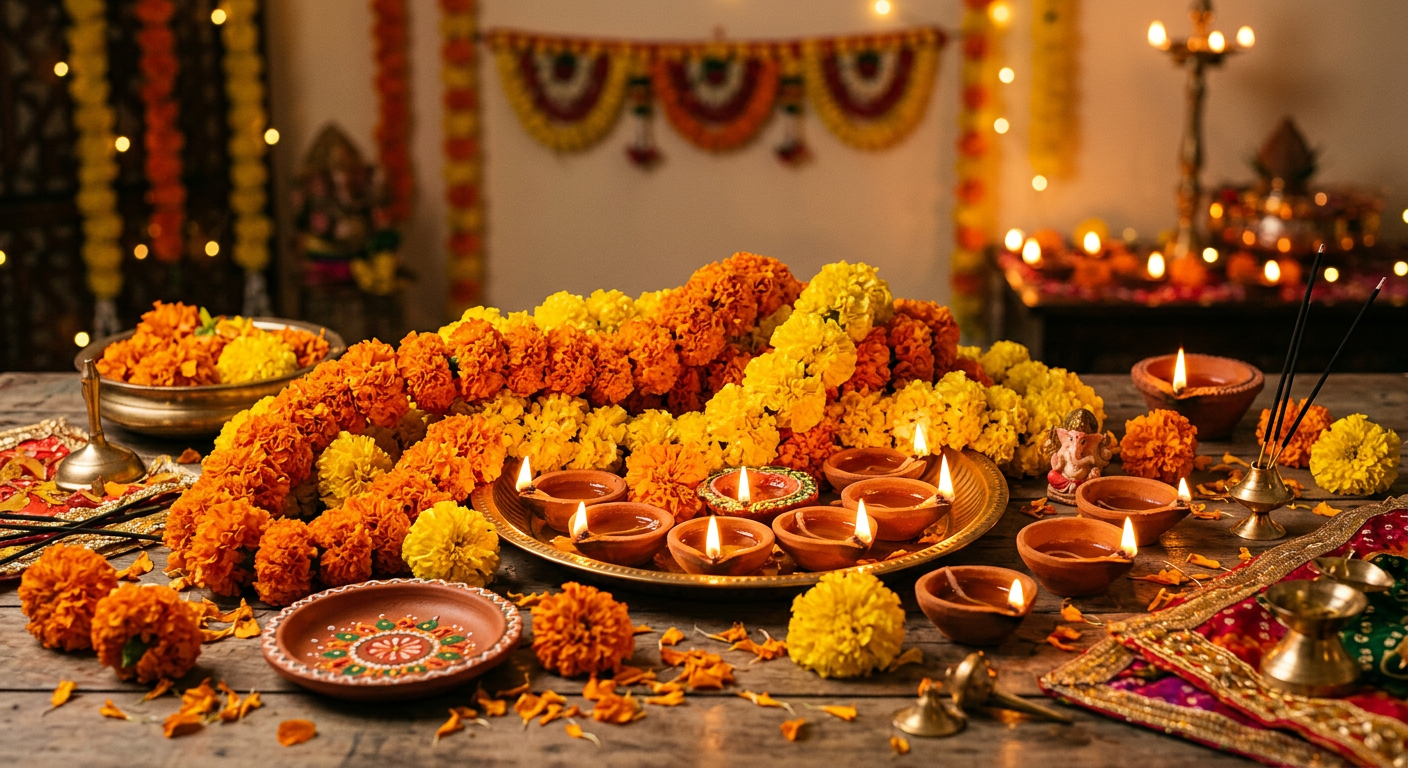
Marigolds, lotus flowers and jasmine are widely used in Hindu ceremonies, temple offerings and festivals such as Diwali, generally associated with auspiciousness and purity.
Christian traditions
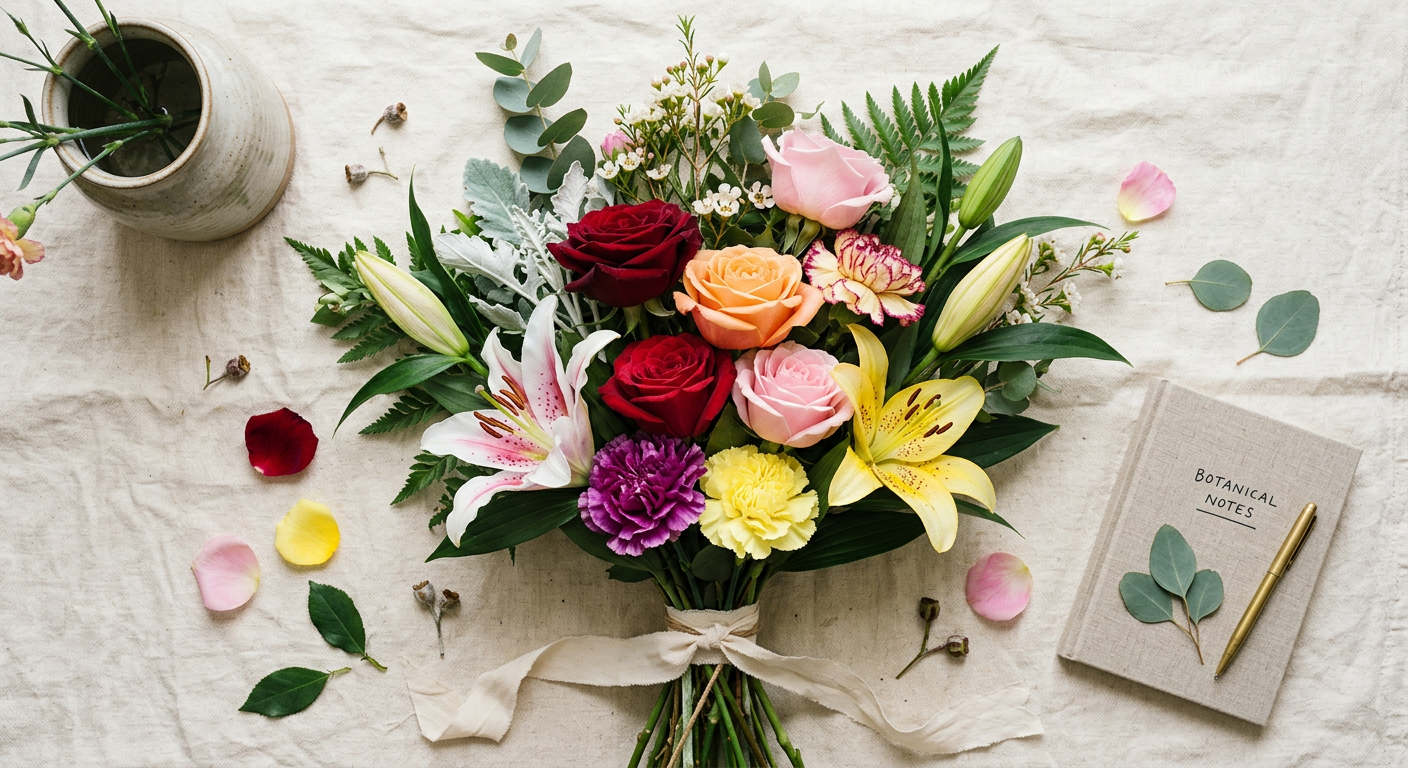
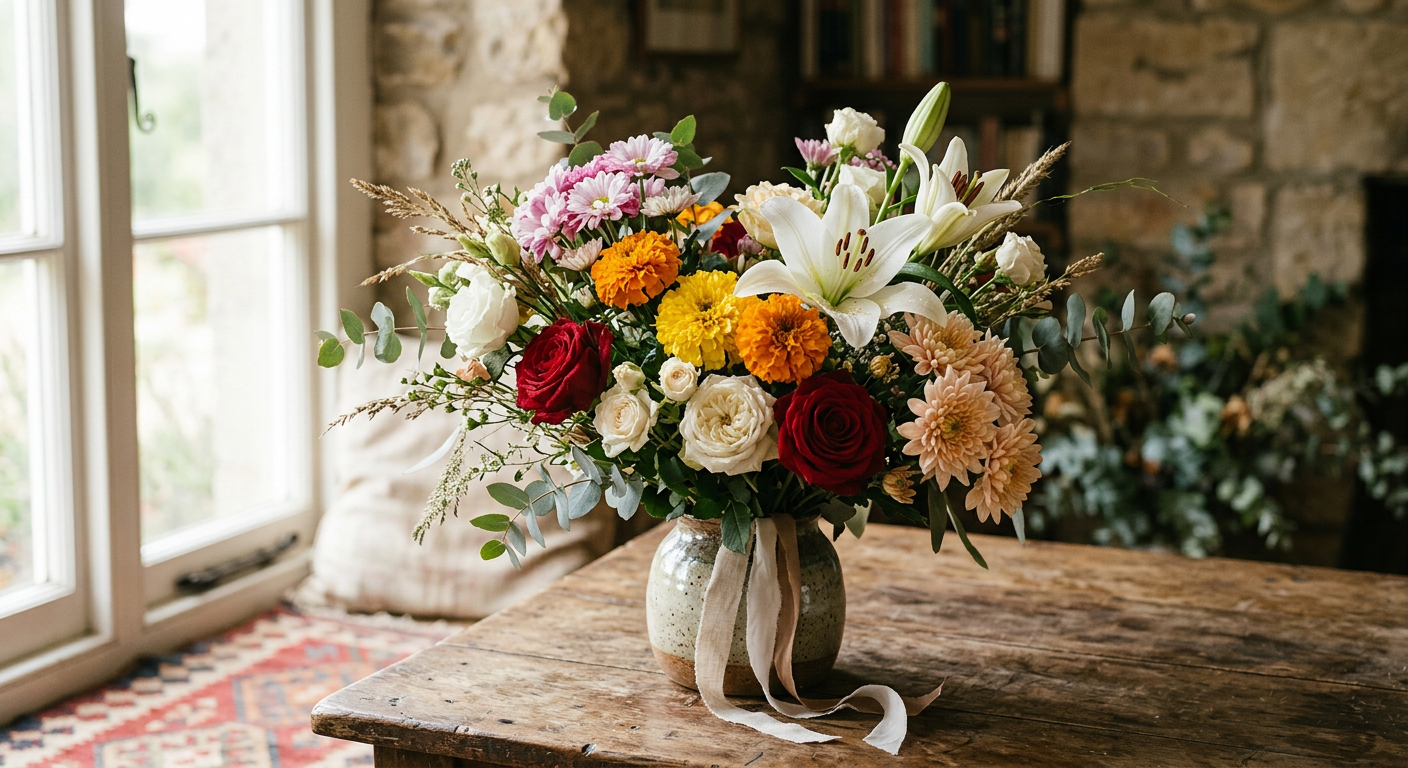
White lilies are strongly associated with Easter and with purity more broadly, and are also commonly used in Christian funeral services. Roses feature heavily in both celebratory and devotional Christian contexts.
Jewish traditions
Flowers are used at a number of Jewish celebrations, including weddings, though they are generally avoided at traditional funerals, where donations in memory of the deceased are often preferred instead.
East Asian traditions
Chrysanthemums hold celebratory, imperial significance in some East Asian cultures, while in several European and other East Asian contexts they are reserved specifically for funerals — a good example of how the same flower can carry opposite meanings depending on context.
When you are unsure
If you are sending flowers for a specific cultural or religious occasion and are not certain what is appropriate, it is entirely reasonable to ask the recipient, a family member, or your florist directly rather than relying on general guidance.
Request an Order
Tell us the occasion and culture and we will help choose appropriately.